


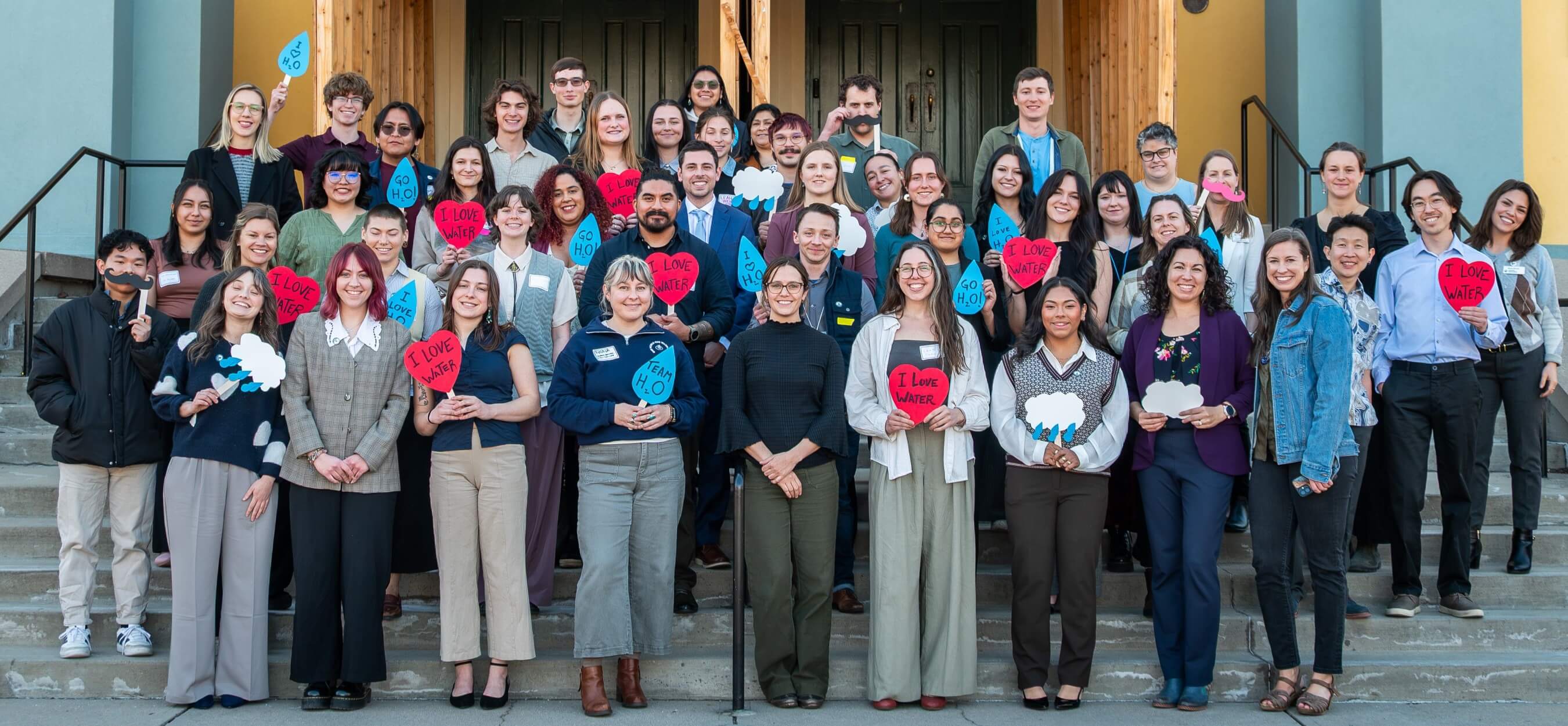
2026 Water Fellows Convening
A Shared Love for Water: Reflecting on the success of the Second Annual Colorado Water Fellows Convening.
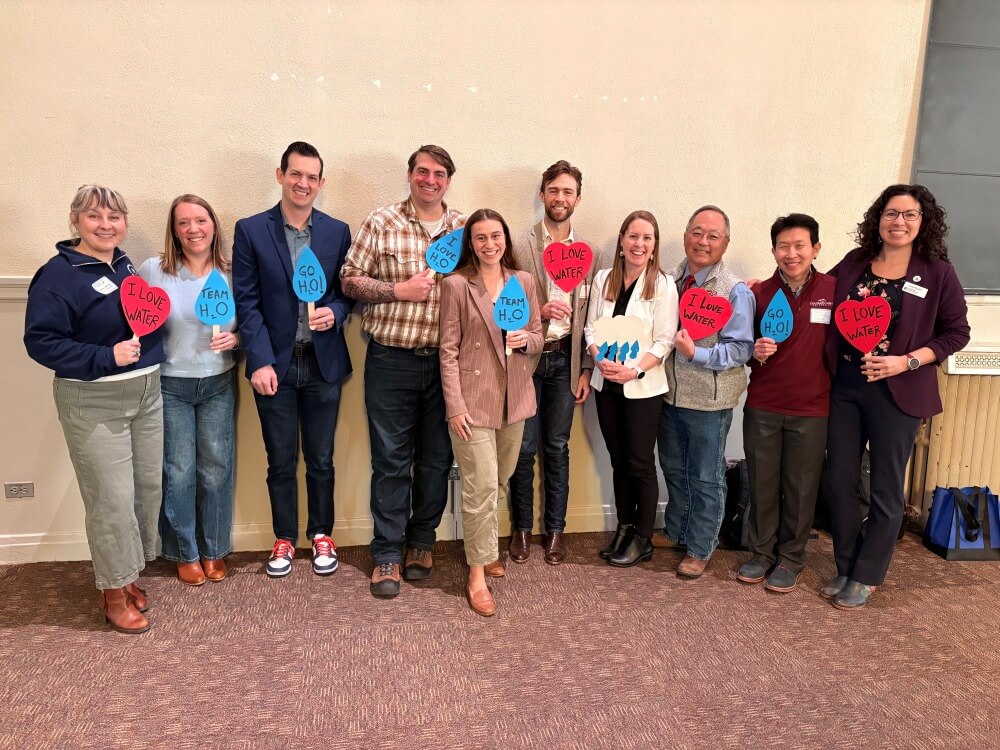
The Second Annual Colorado Water Fellows Convening, held on February 13-14, 2026, celebrated “A Shared Love for Water” and emphasized the importance of relationship building and collaborative thinking to help address complex water challenges. The Convening brought together a total of 67 attendees, including 42 students from Colorado State University and our five Colorado Water Fellows Program partner institutions from around the state: Colorado Mesa University, Fort Lewis College, Metro State University of Denver, University of Colorado Boulder, and University of Denver Sturm College of Law.
Prior to the Convening, students attended the Colorado Water Center’s Third Annual Water Workforce Career Fair on February 13, connecting with employers, education programs, and career opportunities in the water sector. The Convening then began in the afternoon with two informative tours that highlighted innovation in water sustainability and collaboration. One group visited Denver Water’s net-zero energy, LEED Platinum certified Administrative Building, while the other explored Colorado State University’s (CSU) Spur campus, which is dedicated to driving change through science and community partnerships.
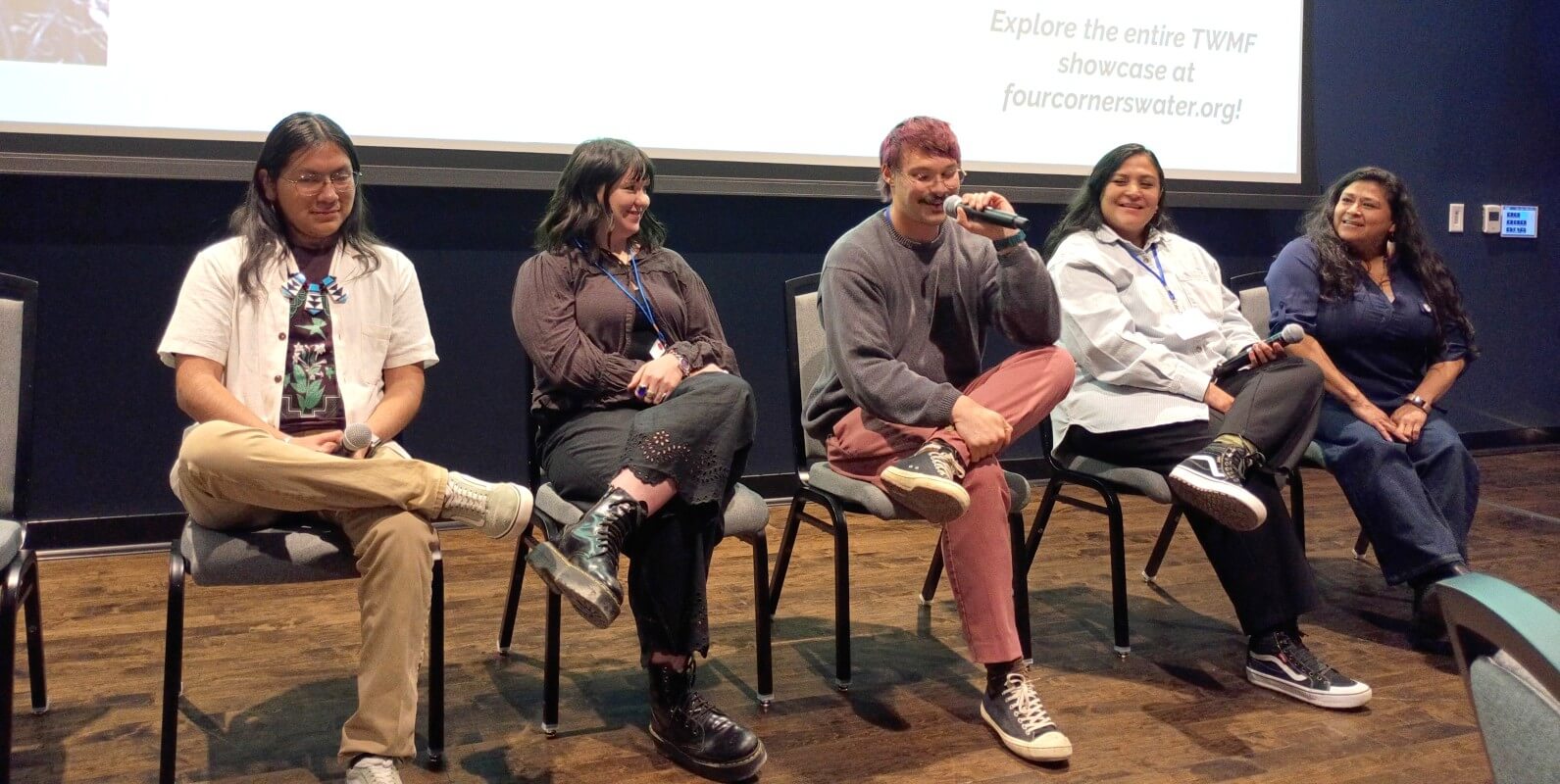
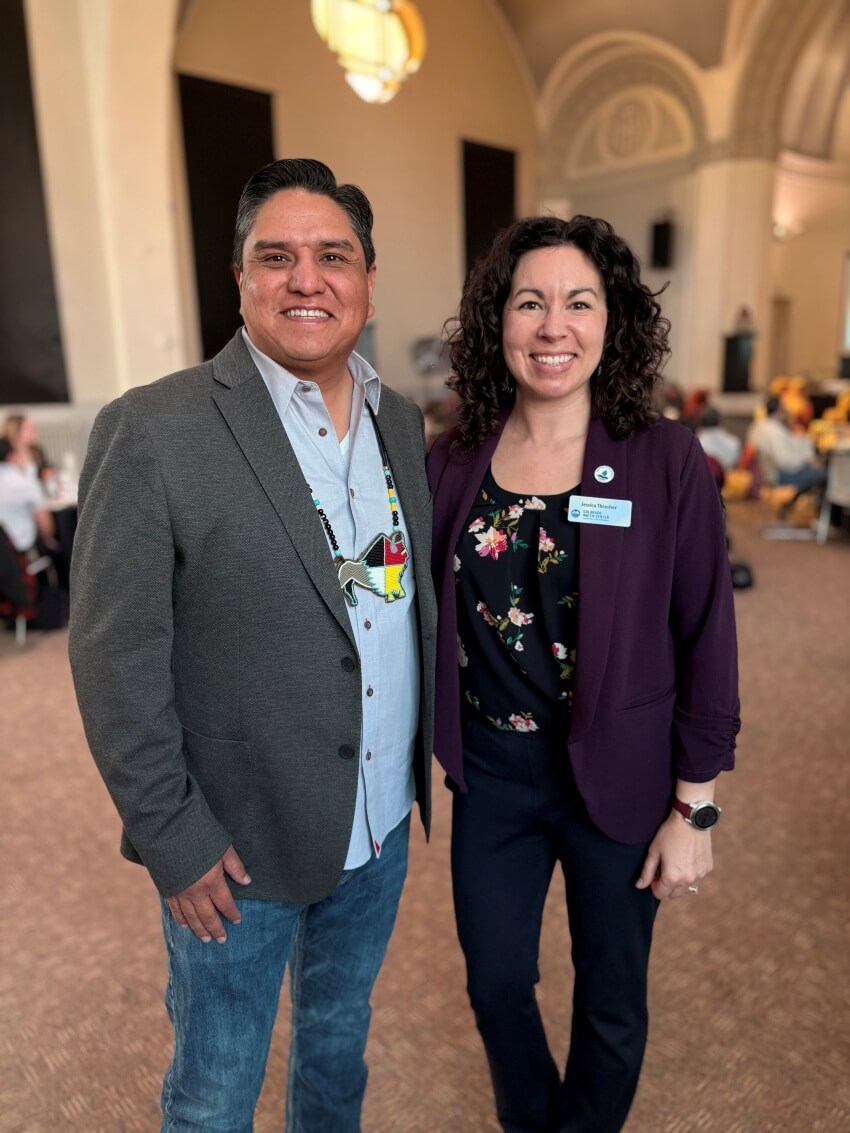
Following the tours, attendees gathered for a welcome dinner. Jessica Thrasher, Senior Program Manager and Colorado Water Fellows Statewide Director, opened the evening by providing background on the Colorado Water Fellows Program and highlighting its growth since its launch in 2017. During the dinner, each partner institution provided a brief overview of its program, and Water Fellows from each institution were recognized. The evening included a showcase of stunning film and audio projects centered on personal water stories, created by participants in Fort Lewis College’s Tribal Water Media Fellowship program. The showcase was followed by a panel of five Tribal Water Media Fellows, including two who are also Colorado Water Fellows: Matthew Bahnimptewa, Nels Christensen, Sophia Daniel, Nicole Gonzalez, Lucinda Young. Moderated by Colten Ashley, Director of KSUT Public Radio’s Tribal Media Center, the panel highlighted the Fellows’ experiences in the Tribal Water Media Fellowship, their unique relationships with water, and their professional aspirations in the water field.
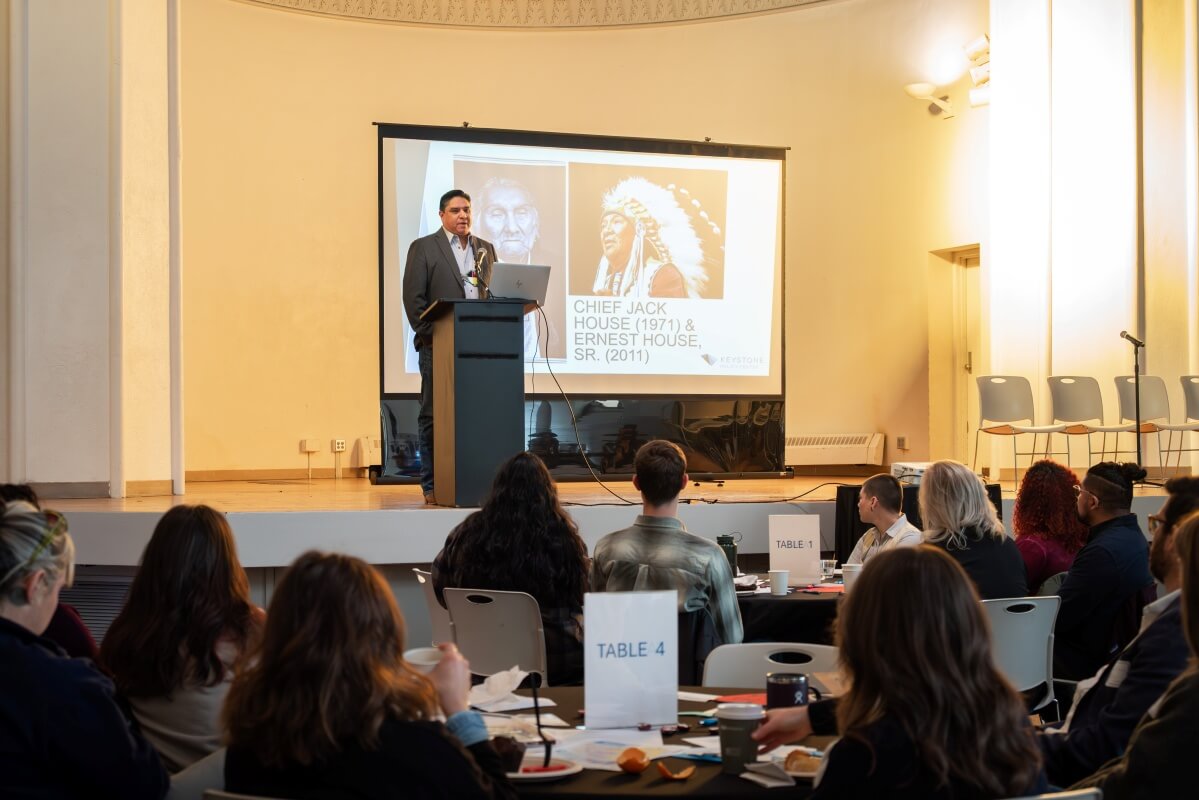
The following day began with a keynote presentation by Ernest House Jr., Senior Policy Director and Director for the Center for Tribal and Indigenous Engagement at the Keystone Policy Center. A favorite part of the event for many attendees, Ernest provided an overview of the present-day population of American Indians and Alaska Natives in Colorado and discussed Tribes with a legacy of occupation in the Colorado area. He explained pressing water challenges faced by Tribes such as the Southern Ute Indian Tribe and the Navajo Nation and emphasized the importance of collaboration across local, state, and Tribal levels. Fellows had the opportunity to engage directly with Ernest in a Q&A session, which deepened their understanding of these critical issues.
I really liked hearing the keynote speaker. Hearing firsthand about water issues that affected his Tribe were really interesting and enlightening.”
Colorado Water Fellow
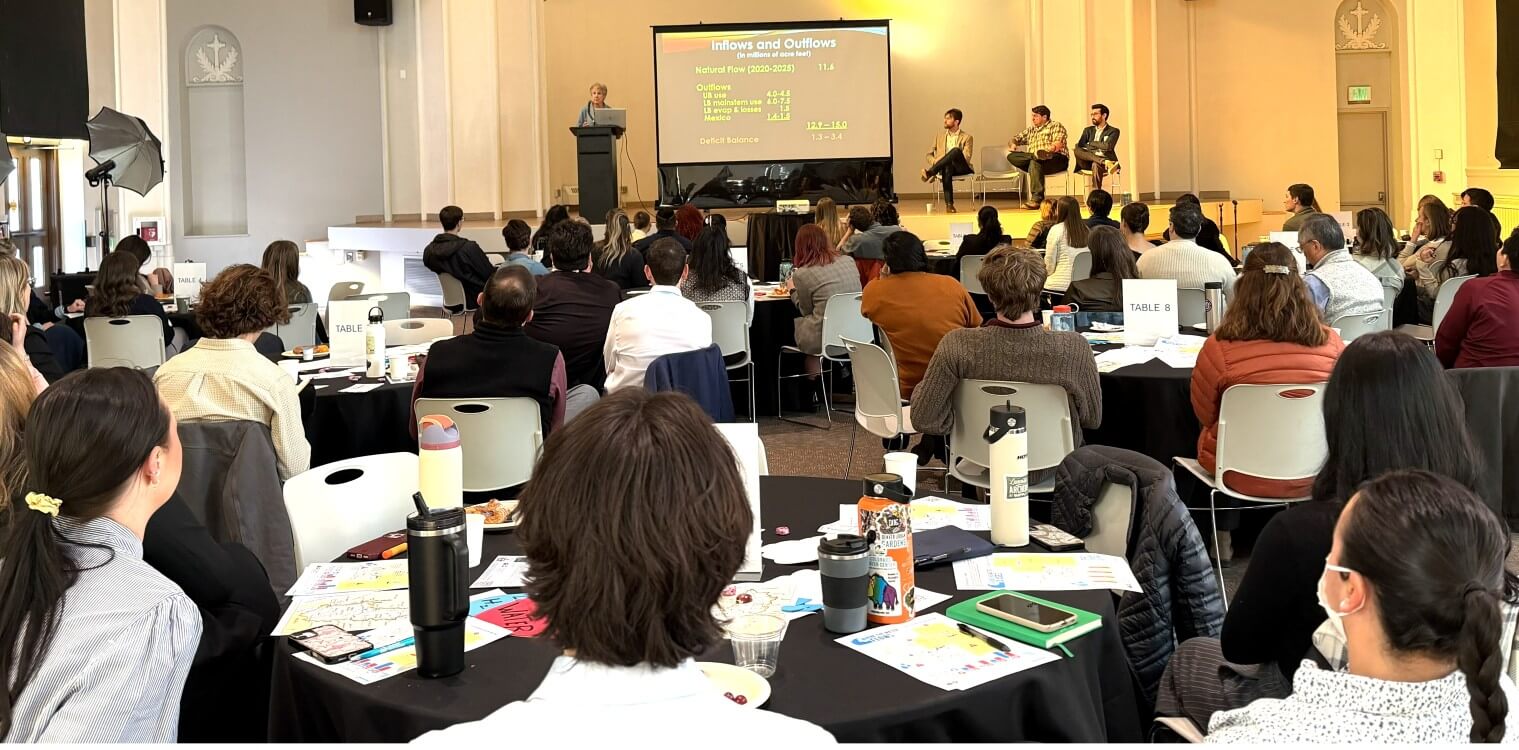
The first panel, “Negotiating the Future of the Colorado River,” was moderated by Wyatt Sassman, Associate Professor of Law at the Sturm College of Law at the University of Denver (DU). Anne Castle, Senior Fellow at the Getches-Wilkinson Center with the University of Colorado Law School, began the discussion by providing an overview of the Colorado River Basin water budget and associated legal frameworks. Gregor MacGregor, Assistant Teaching Professor and Natural Resources Policy Specialization Lead at the University of Colorado Boulder, followed by describing the history and status of the Colorado River negotiations. Aaron Citron, Policy Director with The Nature Conservancy, Colorado, shared environmental-centered perspectives on the negotiations, emphasizing strategies for conservation and restoration. Anne Castle concluded the panel with reflections on her extensive career focused on Tribal water interests, discussing challenges related to water access and public health for Tribal families and potential approaches to improving their water access. A Q&A session allowed Fellows to explore potential pathways for future transboundary management of the Colorado River.
I finally really learned about the Colorado River and the Compact. I’ve been hearing about it a lot but never truly learned about it.”
Colorado Water Fellow
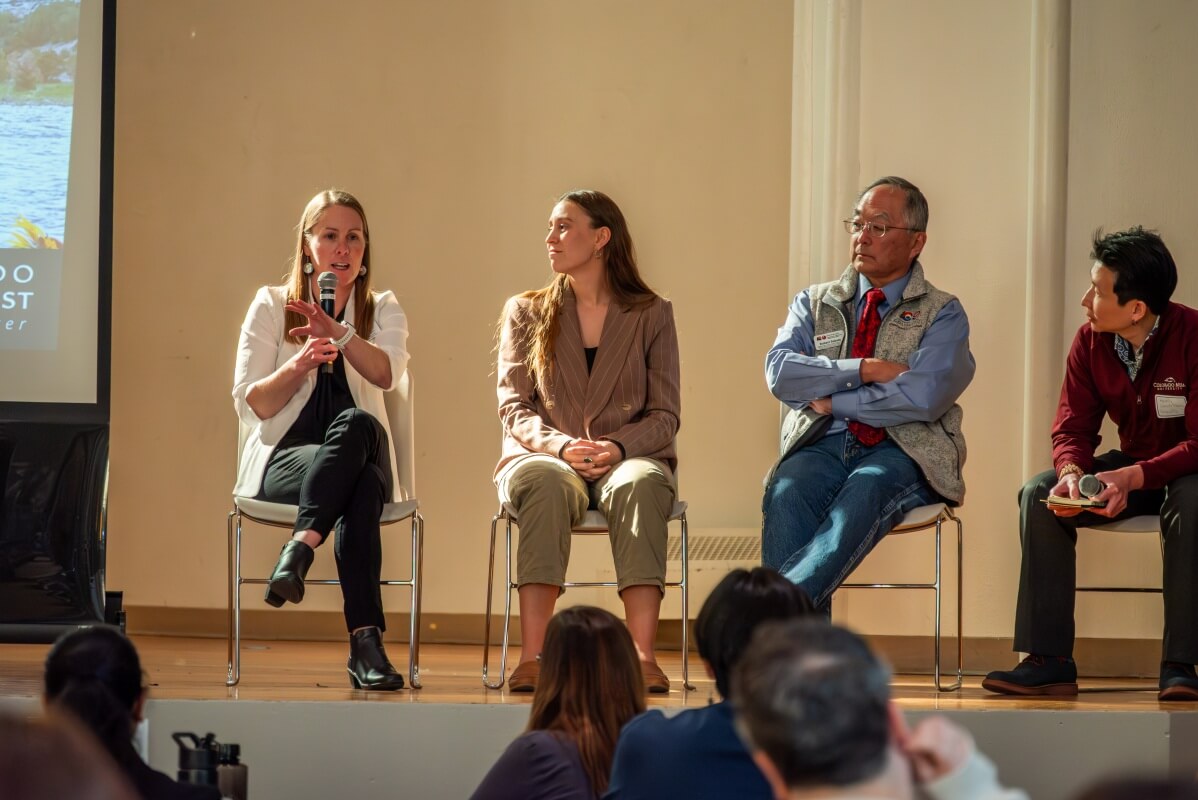
The second panel, “Artificial Intelligence (AI) Impacts on the Water Workforce,” was moderated by Nona Shipman, Co-Director of One World One Water (OWOW) Center at Metropolitan State University (MSU) of Denver. To shape the discussion, Fellows submitted questions about the topic, which were randomly selected and posed to the panelists. Karlyn Armstrong, Water Resources Specialist at Colorado Water Trust; Jonathan Spitze, Director of Business Technology and Project Management at Denver Water; and Gregor MacGregor participated as panelists. The discussion explored topics such as the environmental impacts of AI data centers, opportunities for sustainability improvements, and the role of AI as a support tool for water professionals. Panelists emphasized the continued need for creative, detail-oriented professionals with strong critical thinking and relationship-building skills, including among early-career professionals.
The final panel, “Shared Water, Shared Voices: Effective Stakeholder Engagement,” was moderated by Freddy Witarsa, Assistant Professor of Environmental Science at Colorado Mesa University’s (CMU) Ruth Powell Hutchins Water Center. Robert Sakata, farmer and Acting Commissioner of Agriculture for the Colorado Department of Agriculture, began the discussion by sharing his insights into the farmer’s experience of today and Colorado’s agricultural economy. Shannon Wadas, Executive Director of CMU’s Ruth Powell Hutchins Water Center, followed with an overview of the Grand Valley River Corridor Initiative as a successful example of stakeholder engagement. Andrea Bonato Gach, Staff Attorney with the Colorado Water Trust, discussed a collaborative water leasing project from the Stagecoach Reservoir to the Upper Yampa River, emphasizing the importance trust-building and community involvement. During the Q&A session, panelists highlighted the need to balance patience with effective action in stakeholder processes.
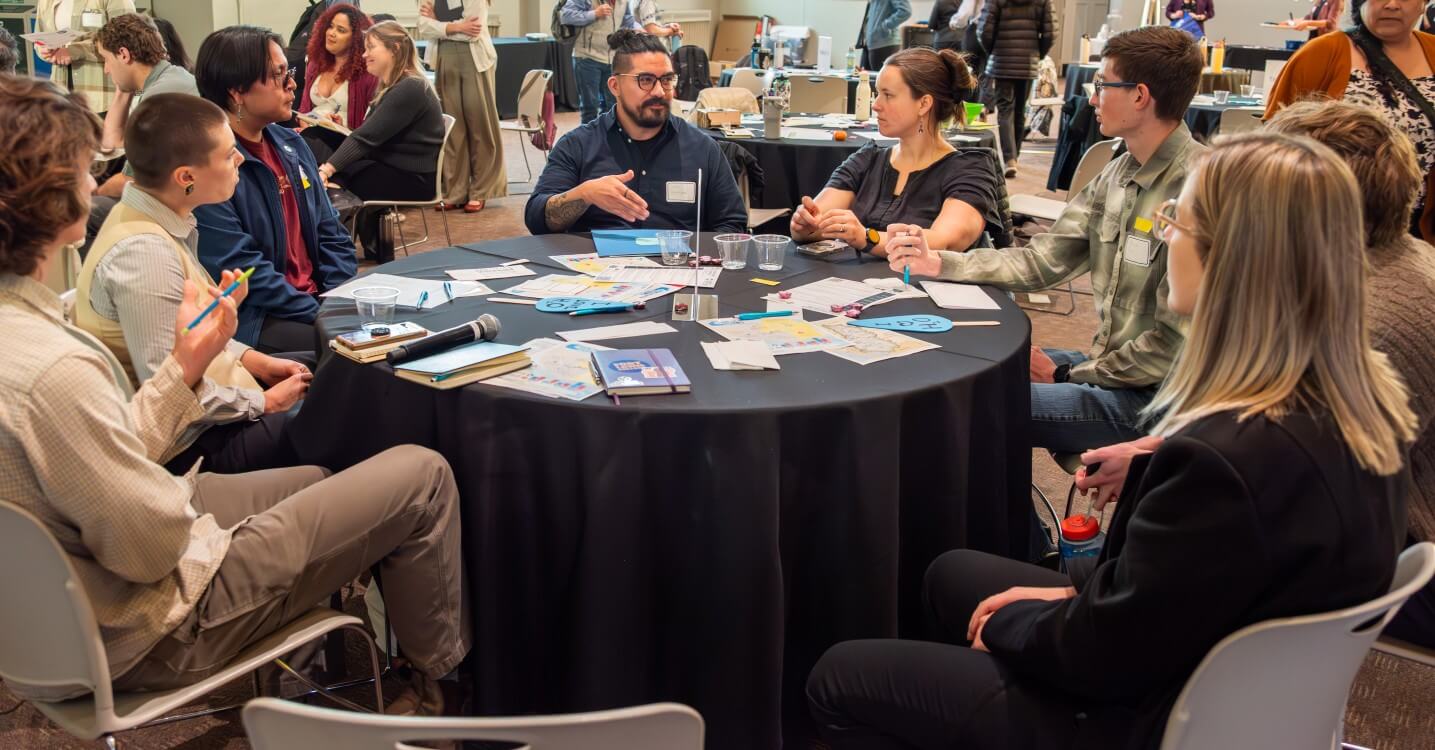
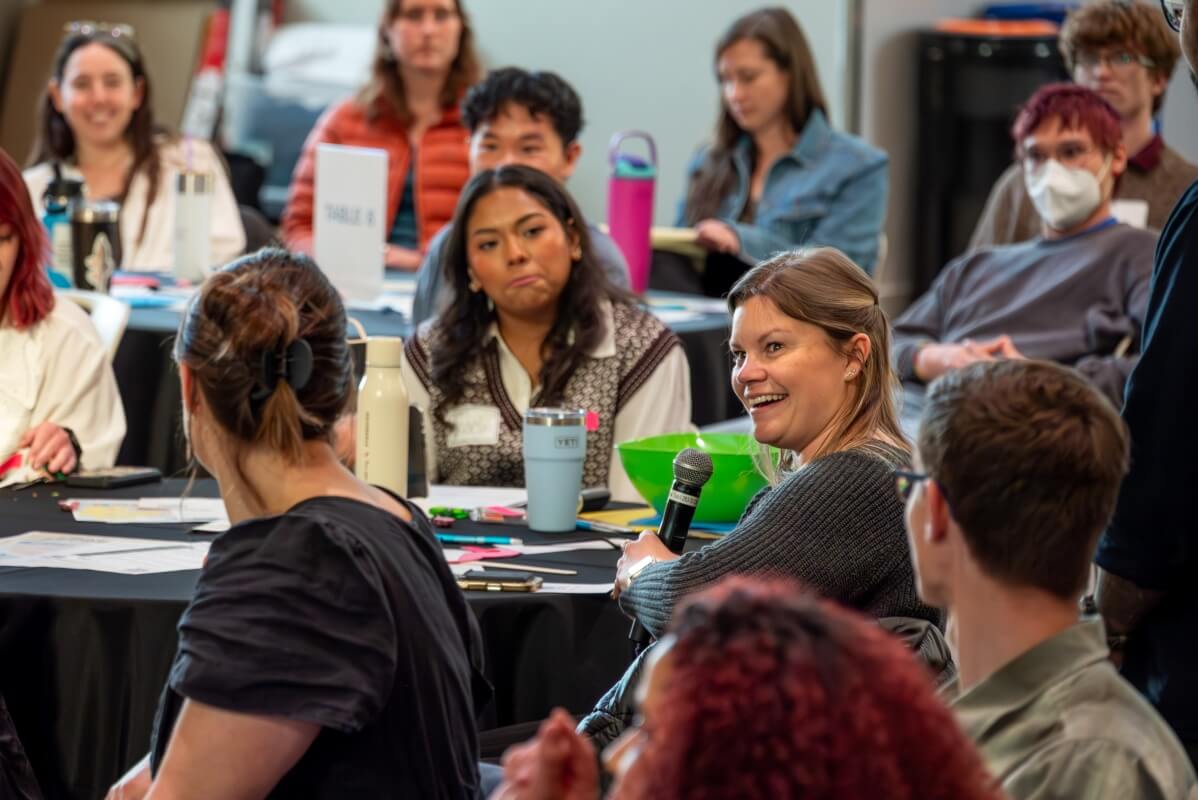
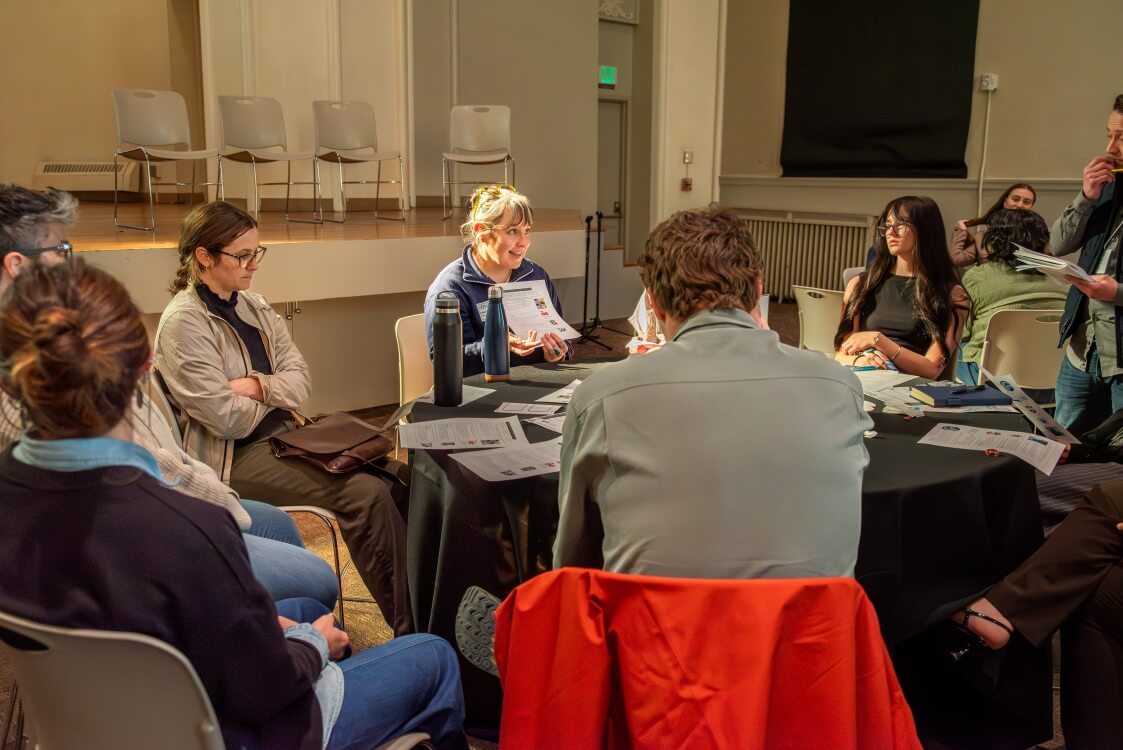
Throughout the Convening, Fellows developed an understanding of different stakeholder perspectives and practiced communicating about complex water issues. In interactive activities, participants role played as representatives of either the Colorado River’s upper or lower basin or as advisors to the Secretary of the Interior. Together, they explored wide-ranging strategies to address the Colorado River water budget deficit. Fellows later joined breakout tables hosted by staff from partner institutions to focus on education and career development. Topics included personal branding for job applications (Rianne BeCraft, Program Coordinator with the Colorado Water Center) graduate school and scholarship applications (Daniel Dominguez, Project Coordinator with the Colorado Water Center and National Science Foundation Graduate Research Fellow); mentor mapping (Mia Pino, Outreach and Sustainability Specialist with OWOW at MSU of Denver; law school pathways (Will Sharpe, Water Fellows Coordinator with Sturm College of Law at DU); and study abroad and international education opportunities (Nona Shipman, OWOW at MSU).
The Second Annual Colorado Water Fellows Convening was a resounding success, inspiring Fellows and professionals to continue advancing innovative and collaborative solutions in the water field. Together, we are cultivating the next generation of water leaders in Colorado and beyond, ensuring a sustainable future for our precious water resources.
I gained a lot of networking knowledge and a lot of knowledge about what questions to ask potential employers and how to make a good impression.”
Colorado Water Fellow


Thank you to our Colorado Water Fellows Program Funders!


